
Outdoor Concrete That Handles Weather Exposure
Exterior Epoxy Flooring in Perry for patios and walkways showing surface deterioration
Exterior concrete surfaces around Perry homes develop cracks, staining, and surface spalling from freeze-thaw cycles, UV exposure, and water penetration that bare concrete cannot resist long-term. Decorative exterior epoxy coatings provide a protective layer that improves both appearance and durability while offering slip-resistant textures for safety on porches, pool decks, and outdoor walkways. CS Custom Epoxy installs weather-resistant coating systems formulated to expand and contract with temperature changes without delaminating or losing adhesion.
Exterior installations require coatings with UV inhibitors that prevent yellowing and degradation from sunlight, along with flexible resins that accommodate the greater temperature swings outdoor concrete experiences. Surface preparation must address existing damage and ensure water drains properly away from coated areas, since standing water accelerates wear on any coating system. The finished surface resists rain, sun, and foot traffic while maintaining its color and texture through seasonal weather changes.
Request an exterior coating estimate to assess your patio, porch, or walkway condition.
Why Exterior Coatings Work for Outdoor Surfaces
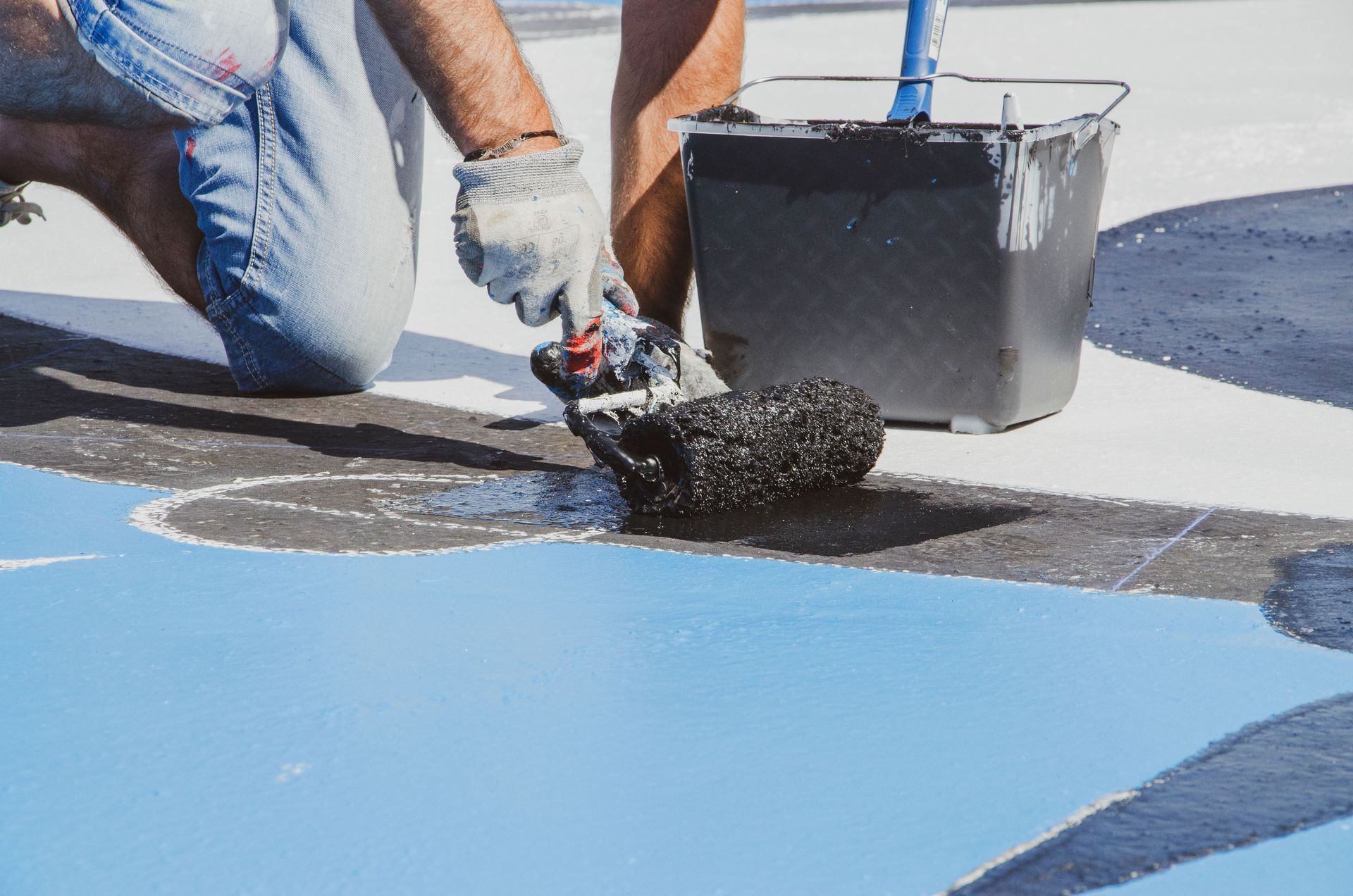
Coating outdoor concrete involves evaluating drainage patterns and existing slab condition before any material is applied. Cracks are routed and filled with flexible sealants that move with the concrete rather than rigid fillers that would crack again. The surface is then profiled to remove weathering damage and open the pore structure for coating penetration. Primer systems designed for exterior use are applied first, followed by pigmented base coats and slip-resistant topcoats that include aluminum oxide or silica aggregates sized for barefoot traffic or shoe traction depending on the area's use.
Once the coating cures, your patio or walkway has a uniform color and texture that hides the blotchy staining and surface erosion visible on aged concrete. Water no longer absorbs into the slab as readily, which reduces freeze-thaw damage in winter and prevents the mildew growth that occurs on constantly damp surfaces. The slip-resistant finish improves safety when the surface is wet, addressing the slick texture that develops on smooth concrete during rain. You also gain easier cleaning, since dirt and organic stains wash off the sealed surface instead of embedding in porous concrete.
Exterior coatings are not appropriate for every outdoor surface. Concrete with severe cracking, settlement issues, or active moisture problems requires structural repairs before coating to prevent premature failure. Surfaces with poor drainage that allow standing water need grading corrections, since even weather-resistant coatings degrade faster when submerged. The coating also requires periodic reapplication depending on traffic levels and sun exposure, with high-use areas typically needing topcoat renewal every few years to maintain slip resistance and appearance.
What Property Owners Usually Ask
Homeowners around Perry often want to understand how exterior coatings perform compared to bare concrete and what maintenance is involved.
What makes exterior coatings different from interior systems?
Exterior formulations include UV stabilizers that prevent color fading and chalking from sunlight exposure, along with more flexible resins that accommodate the wider temperature range outdoor concrete experiences. These additives prevent the yellowing and brittleness that would occur if interior coatings were used outdoors.
How do slip-resistant finishes work on outdoor floors?
Slip resistance is created by broadcasting aluminum oxide, silica sand, or rubber granules into the topcoat while it is still wet, then sealing those aggregates with an additional clear coat. The aggregate size determines how much texture is added, with finer grades used for barefoot areas like pool decks and coarser grades for walkways.
Why does proper drainage matter for exterior coatings?
Standing water accelerates wear by keeping the coating in constant contact with moisture, which eventually penetrates through small imperfections and begins lifting the coating from below. In Perry's climate with frequent afternoon rain, ensuring water drains off the surface within a few hours prevents this issue.
When should exterior concrete be recoated?
Recoating becomes necessary when the topcoat shows visible wear, loses its slip resistance, or no longer beads water the way it did when new. High-traffic walkways and full-sun patios typically need topcoat renewal every three to five years, while shaded or low-traffic areas last longer.
What preparation is required before coating outdoor concrete?
The surface must be pressure washed to remove dirt, algae, and organic growth, then allowed to dry completely before coating. Cracks are filled, damaged areas are patched, and the concrete is profiled using mechanical methods to ensure the coating bonds properly despite the weathering damage typical on older outdoor slabs.
CS Custom Epoxy evaluates outdoor concrete throughout Perry to determine whether coating is the right solution or if underlying repairs are needed first. Contact the company to schedule a property assessment and discuss finish options suited to your specific outdoor space.