Decorative Surfaces Built for Traction and Impact
Flake Epoxy Flooring in Perry for garage and workshop floors that need slip resistance and visual texture
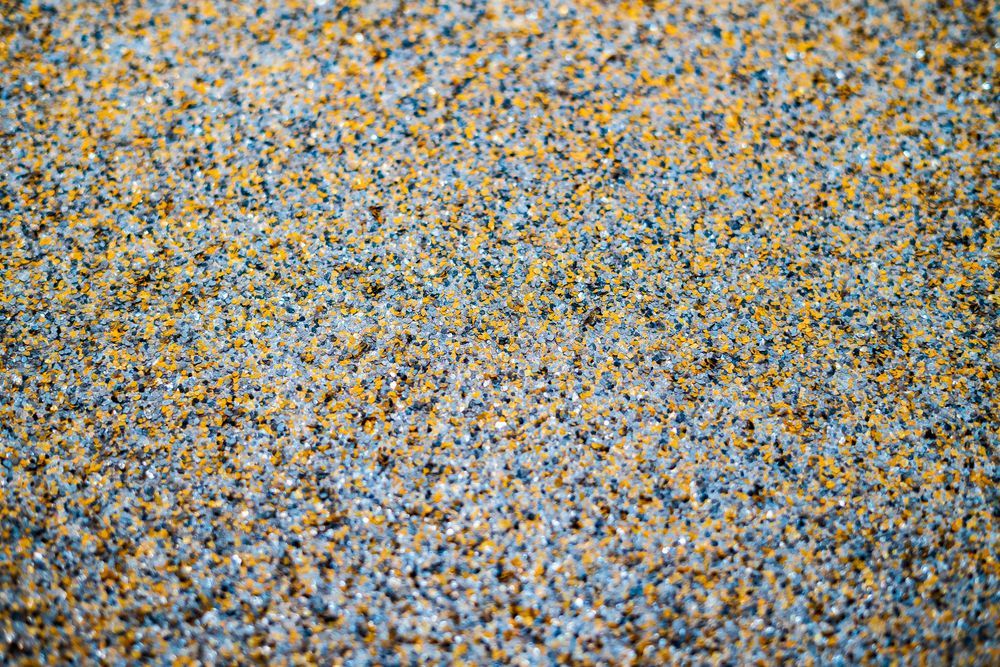
Garage floors covered in flake epoxy systems show visible texture from the broadcast color chips, providing better traction than smooth concrete when wet and hiding minor imperfections in the underlying slab. CS Custom Epoxy installs these systems by testing moisture levels, grinding the concrete to create a mechanical profile, repairing cracks and spalls, applying an MVB base coat, broadcasting decorative flakes to full or partial coverage, scraping away loose material, cleaning the surface, and finishing with a polyaspartic topcoat that locks everything in place. You end up with a floor that handles dropped tools, chemical spills, and constant foot traffic without chipping or peeling when the preparation and materials meet manufacturer specifications.
The flake broadcast serves multiple functions beyond decoration: the chips create a slightly textured surface that improves grip, they disguise small surface variations and repair patches, and they add thickness to the coating system for better impact resistance. Moisture testing happens first because concrete slabs in Perry can release vapor from ground moisture or plumbing leaks underneath, and excess vapor pressure will push any coating off regardless of adhesion quality. Grinding opens the concrete pores so the MVB base coat penetrates and locks mechanically rather than sitting on top.
Request a customized flooring quote to review chip color combinations and coverage density for your specific space.
How Flake Systems Address Wear Patterns
The installation sequence matters because each layer depends on the one below it. After grinding removes any existing sealers or weak surface concrete, crack repairs get filled and leveled so they don't telegraph through the finished coating. The MVB base coat soaks into the prepared concrete and hardens to create the structural bond layer, then while that coat remains tacky, colored flakes get broadcast across the surface either to full rejection where the entire floor is covered or to partial coverage where the base color shows through.
Once the system cures, your floor shows consistent color with visible flake texture, spills bead on the surface rather than soaking in, and the polyaspartic topcoat resists yellowing from UV exposure in spaces with windows or open bay doors. You can roll heavy toolboxes across it without gouging the surface, drop wrenches or metal parts without cracking the coating, and clean up oil or brake fluid without permanent staining. The texture prevents slipping when you walk in from rain or snow with wet shoes.
Premium materials and proper substrate preparation prevent the peeling and edge lifting that occur when coatings are applied over dirty concrete or when moisture barriers are skipped on slabs with high vapor emission. Workshops benefit from the durability against impact and abrasion, while commercial spaces gain a professional appearance that withstands daily customer traffic and equipment movement.
Common Questions About This Service
Customers usually ask about coverage options, installation timing, and performance expectations before deciding on flake density and color combinations.
What determines whether full or partial flake coverage works better?
Full broadcast covers the entire base coat with chips for maximum texture and impact resistance, while partial broadcast shows more of the base color and works well for spaces prioritizing decorative appearance over heavy-duty protection.
How does the polyaspartic topcoat differ from standard epoxy clear coats?
Polyaspartic resins cure faster than epoxy, resist yellowing from sunlight exposure, and provide a harder wearing surface, making them ideal for garage floors in Perry where UV light enters through windows or when bay doors stay open during use.
Why does scraping happen after the flake broadcast?
Loose flakes that didn't embed in the base coat get scraped away before the topcoat application so they don't create bumps or weak spots in the final surface, ensuring a smooth finish that wears evenly.
When do warranties cover delamination or coating failure?
Most manufacturer warranties require documented moisture testing, proper surface preparation including grinding to the specified profile depth, and application within temperature and humidity ranges, with failures outside these conditions considered installation errors rather than product defects.
What chip colors hide dirt and wear patterns most effectively?
Medium-toned blends with multiple colors camouflage dust, tire marks, and minor scratches better than solid light or dark colors, reducing visible wear between cleanings in high-traffic areas.
CS Custom Epoxy designs flake systems based on your space dimensions, traffic patterns, and appearance preferences, using materials selected for chemical resistance and long-term adhesion. Contact our team at (423) 231-8815 to discuss installation scheduling and material options for your garage or commercial floor.